Why One Minute Matters
Freepik
We underestimate sixty seconds because we’ve been conditioned to measure courage in big, dramatic moments, the leap, the decision, the transformation. But in leadership, in life, and especially in the face of fear, neuroscience shows that your brain only needs one intentional minute to shift from threat to courage.
This concept sits at the heart of The Brave Minute, a one-minute ritual I created after years of coaching leaders, facing my own moments of doubt, and watching how quickly a person can change their internal state with the right tools. You don’t need an hour of meditation, a retreat, or a life overhaul. You need sixty seconds of deliberate action. That’s it. And the brain backs this completely.
The Brain’s Threat Response: Why We Freeze, Spiral, or Panic
When fear, overwhelm, stress, or imposter syndrome hits you, it hits fast. The amygdala, the brain’s alarm system, fires almost instantly. Your body prepares for danger: your heart races, your breath shortens, your thoughts become chaotic, and clarity shuts down. It’s not weakness. It’s biology.
The prefrontal cortex, the part of your brain responsible for logic, leadership, problem-solving, and courage, goes offline in these moments.
But here’s what most people don’t know: a simple 60-second pause begins rewiring this response. Slowing your breath, grounding your body, and shifting your attention restores access to the prefrontal cortex. In one minute, you can interrupt the threat state enough to think again, speak again, or take action again.
This is where micro-courage begins.
Micro-Bravery: The Small Acts That Shift Everything
Courage rarely shows up as a roar. Most of the time, it arrives as a whisper, a small decision you make in a moment of fear. This is what I call micro-bravery.
When you take even the smallest courageous step, asking a question, sending a message, telling the truth, saying no, or simply taking a slow breath instead of reacting, the brain releases dopamine, the motivation chemical. Dopamine reinforces your action and increases your confidence.
What’s extraordinary is that the action doesn’t have to be big to create a chemical shift. One tiny brave act in one minute is enough to build momentum. And when you do this repeatedly, you train your brain to look for what’s possible rather than what’s frightening.
Related: Strategic Pausing for Innovation and Creativity
Why One Minute Interrupts Fear, Imposter Syndrome & Overwhelm
Fear thrives in repetition. Imposter syndrome grows when we allow the “I’m not enough” story to loop unchecked. Overwhelm expands when everything feels urgent at once.
Interrupting these states doesn’t require hours of work. It requires a pattern break, a moment where you disrupt the cycle long enough to choose differently. A 60-second Brave Minute acts like a reset button. It interrupts the cognitive spiral, engages your parasympathetic nervous system, and creates space between stimulus and response.
This is why the ritual is powerful. It’s not about perfection; it’s about interruption. One minute is enough to stop your fear from driving the next hour of your life.
Habit Stacking, the RAS & Becoming the Kind of Person Who Notices Courage
Your Reticular Activating System (RAS) acts as the brain’s internal filter. It decides what you pay attention to. When your RAS is primed for fear, you notice threat everywhere. But when you practise a one-minute courage ritual consistently, your RAS learns to recognise opportunities to be brave rather than reasons to shrink.
This is how habit stacking works at a neurological level:
- the cue (stress, fear, hesitation)
- triggers the ritual (your Brave Minute)
- which begins a predictable emotional shift (grounding, clarity, courage)
Over time, this becomes automatic. Your brain starts choosing courage more quickly, with less resistance, and with far less emotional load. The one-minute habit becomes part of your leadership identity.
The Courage Circuit: Rewiring Your Brain One Minute at a Time
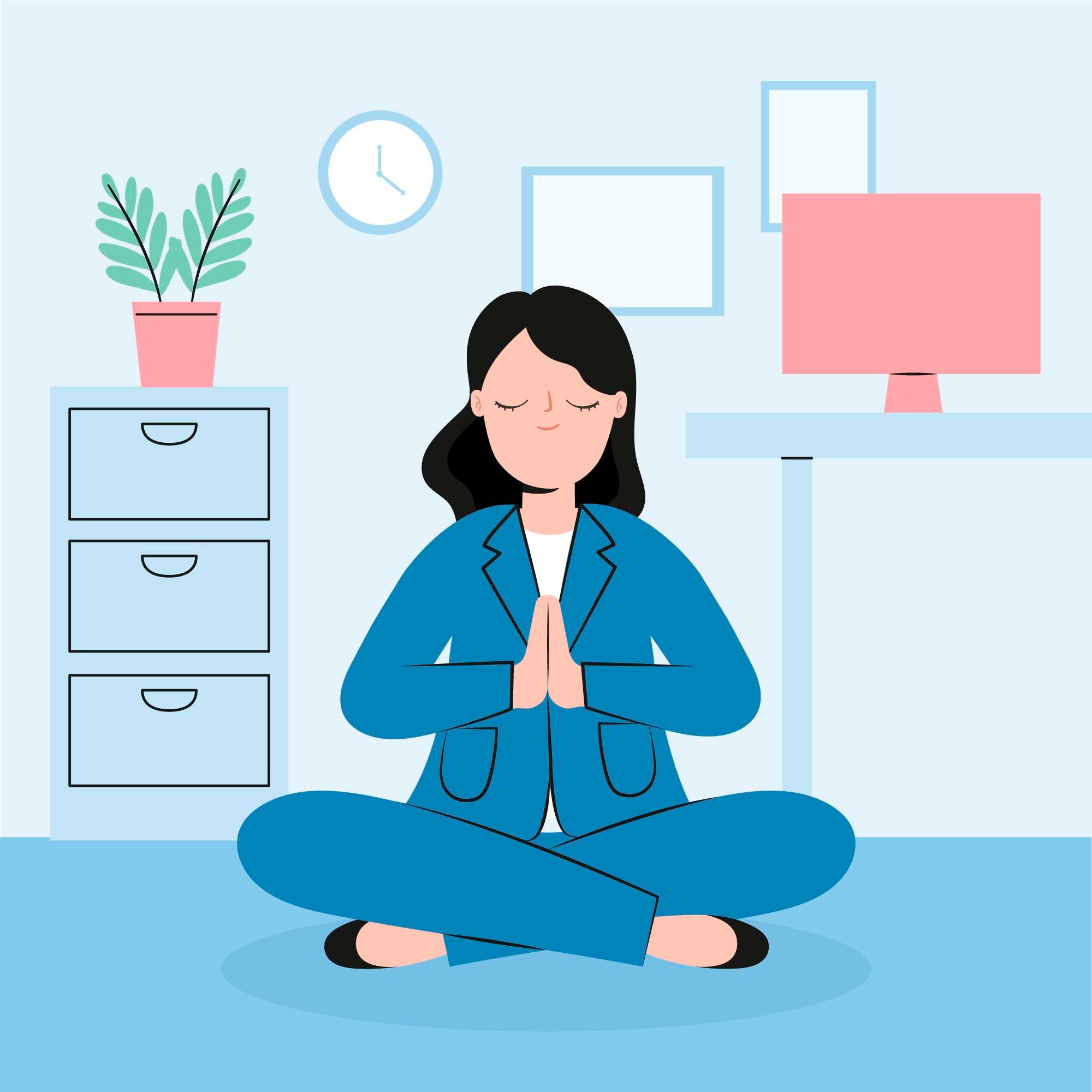
Source: Freepik
Neuroplasticity, the brain’s ability to rewire, change, and strengthen pathways, is the reason small actions create big transformations. Repeating your Brave Minute forms what I call the Courage Circuit.
The loop looks like this:
- Pause
- Regulate your breath
- Ground your attention
- Take one small courageous action
- Receive dopamine reinforcement
Every repetition strengthens the circuit. Over time, the loop becomes your default response. You become the person who pauses before reacting, speaks up when it matters, chooses bravery over avoidance, and faces challenges with clearer thinking and deeper presence.
This is leadership. This is resilience. This is the science behind courage. And it all begins with one minute.
This Is Why One Minute Matters
Because one minute is enough to interrupt fear. One minute is enough to build confidence. One minute is enough to shift your brain, your body, and your behaviour. One minute is enough to begin again.
And when you practise this daily, consistently, compassionately, you don’t just change your moments; you change your life.
This article was originally published on Sonia McDonald's LinkedIn.
Upcoming Masterclass:
Sales with Soul: It's Not Selling, It's Closing with Azril Aswad



Functional