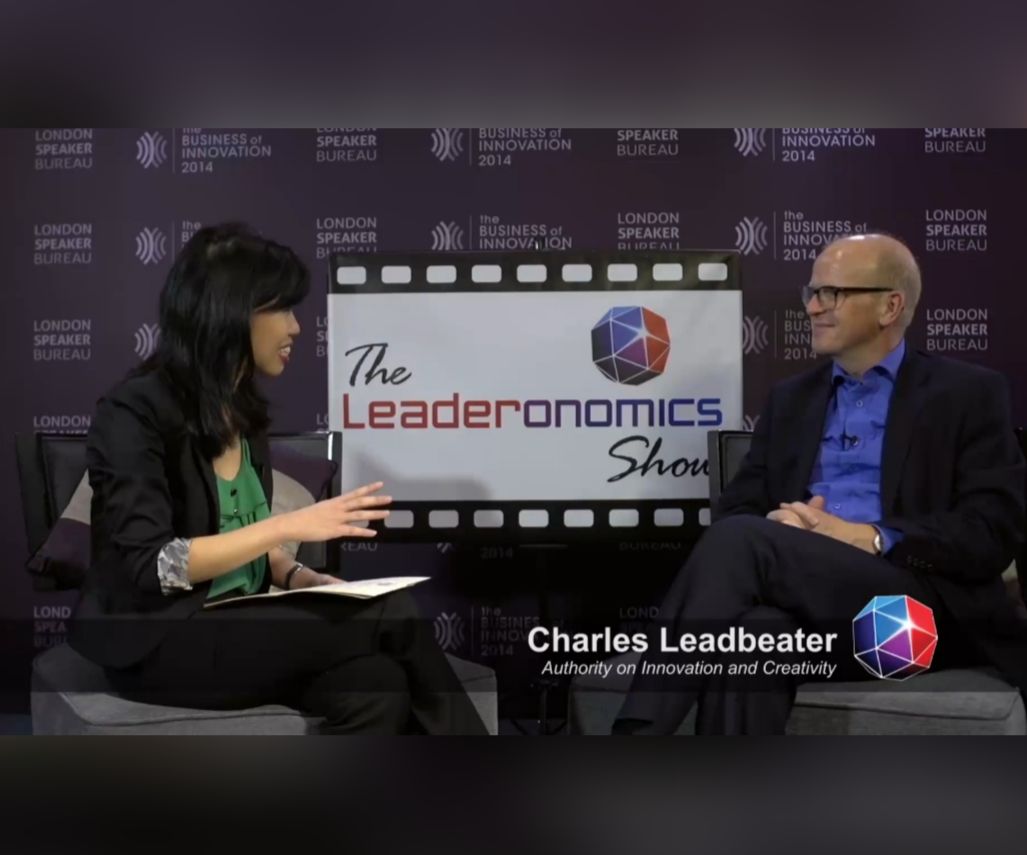
The Leaderonomics Show: “Bad Situations Will Force You To Change,” Says Plotner

Gone are the days where people pay a premium price to enjoy a premium product. In emerging countries, we see a change in consumer behaviour, i.e. they are willing to spend less to enjoy similar products with good quality.
How can organisations balance up low-frills products without compromising quality, and at the same time, build a differentiated and sustainable strong employer branding/customer value proposition?
Professor Olaf Plötner, dean of Executive Education at European School of Management and Technology (ESMT), shares his expertise on competitive advantage strategy and the current state of business-to-consumer (B2C) business models, on The Leaderonomics Show, with host Roshan Thiran.
Here are some key takeaways from the interview:
- The shift in markets from mature to emerging ones are forcing businesses to think of innovative ways to create great products and services cost-effectively.
- Technology-driven companies are here to stay, and businesses have to start looking into ways to adapt promptly, or you risk losing in the market chain.
- Small and medium-sized enterprises stand at an advantage to change their business models into more robust ones because they are not constrained by legacy often seen in well-established multinational companies.
- You won’t be stuck forever because bad situations will eventually force you to make a change for the betterment of your business and country.
This might stir up debate: The West: A Minority Club
For more episodes of The Leaderonomics Show, click here. To engage with Leaderonomics to help your organisation accelerate and innovate, email us at training@leaderonomics.com.


Leadership
Tags: Transformation & Change

This article is published by the editors of Leaderonomics.com with the consent of the guest author.