Can You Train Your Mind to Be Sick?
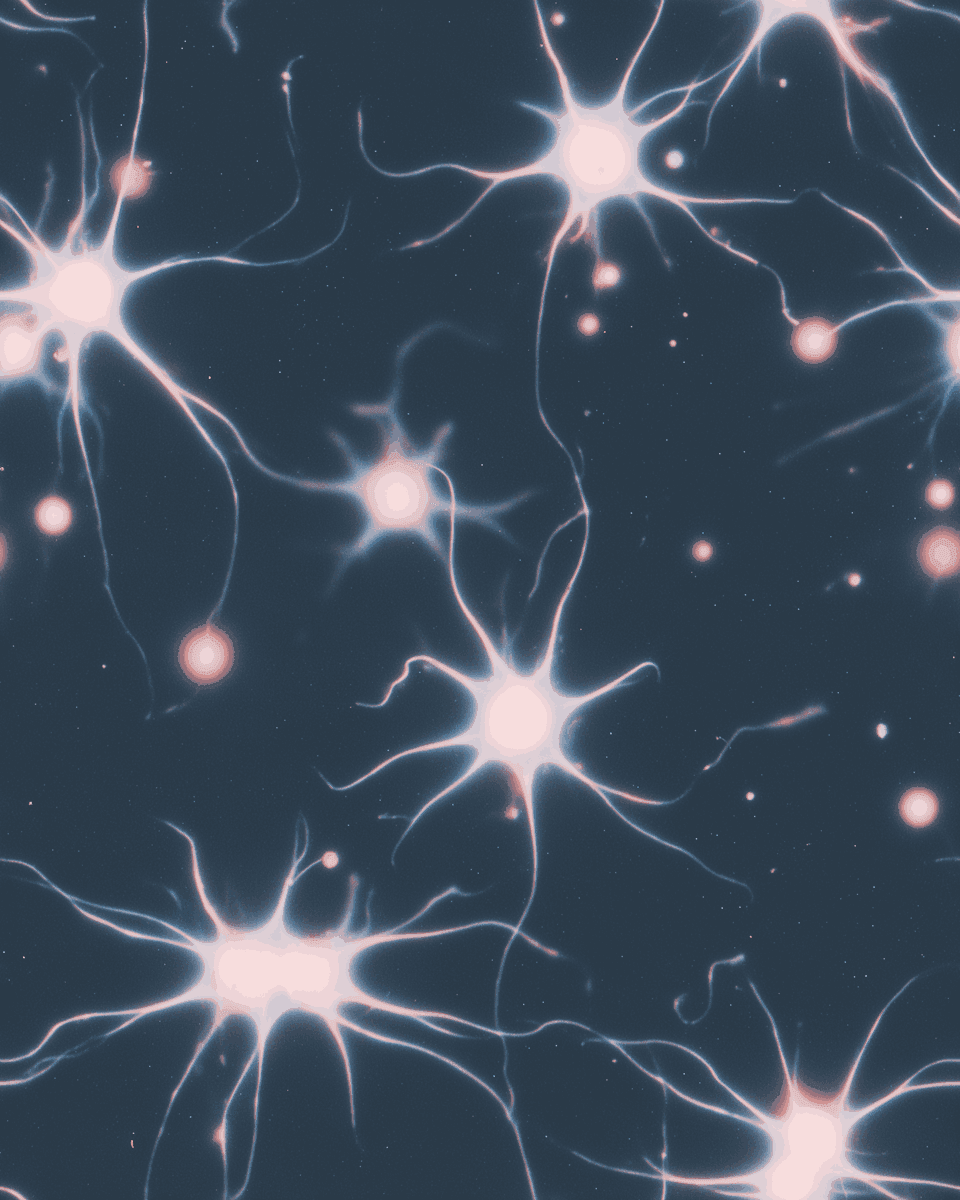
Lummi AI
The pendulum of neuroplasticity swings both ways.
Bad habits can be engrained in our neural networks as easily as good ones. As you know, neurons that fire together wire together. Pascual Leone warns, "Plastic changes may not necessarily represent a behavioural gain for a given subject."
This got my attention yesterday:
In addition to being the mechanism for development and learning, plasticity can be a cause of pathology. It comes as no surprise that neuroplasticity has been linked to mental afflictions ranging from depression to obsessive-compulsive disorder to tinnitus. The more a sufferer concentrates on symptoms, the deeper those symptoms are etched into neural circuits. In worst cases, the mind essentially trains itself to be sick. ~ Nicholas Carr, The Shallows.
Consider this. Neuroplasticity refers to your brain's ability to reorganize itself by forming new neural connections, which can be influenced by thinking, experiences, learning, and even injury. While neuroplasticity is often discussed in the context of recovery and improvement—such as regaining movement after a stroke or learning new skills—it can also contribute to the persistence of certain conditions, including chronic pain, anxiety, and other long-term health issues. And, in some cases, the brain may ‘learn’ to stay in a state of illness due to maladaptive neuroplastic changes. The brain can create persistent alarm signals, leading to ongoing symptoms such as pain, fatigue, and heightened anxiety. These are not imagined—they are real neurological changes driven by neuroplasticity.
However, this also means that the brain can be retrained. This is good news! The brain’s ability to change works both ways: it can reinforce illness, but it can also support healing.
How to Train Your Mind to Be Healthy
As hard as it is these days, try to fill your day with as much positivity as you can:
- Exercise.
- play/listen to music.
- Spend time with happy, resilient people.
- Read inspiring stories.
- Walk in nature.
- Write a poem.
- Help someone.
- Smile often.
- Laugh more.
- Start a gratitude log.
- Walk a dog.
- Watch less 'news'.
- Stop complaining.
- Pray, meditate, take quiet time.
- Read an epic novel.
The possibilities are endless, but you already know that.
We need joy as we need air. We need love as we need water. We need each other. ~ Maya Angelou
Remember, with consistent, intentional effort, your brain can be trained to support your health.
Thanks for reading. You are a genius!
This article was first published in Terry Small's Brain Bulletin newsletter.
For leaders carrying more than their job titles…
Be part of Malaysia Immersion Week 2026!
Join us for an 8-day journey (June 24–July 1, 2026) designed for leaders who want time and space to connect with like-minded business leaders. You’ll gain VIP access to the Malaysia Leadership Summit, engage in masterclasses with global leaders, and experience cultural immersion that offers fresh perspective on yourself and your team.
Apply now!



Personal
Tags: Brain Bulletin